
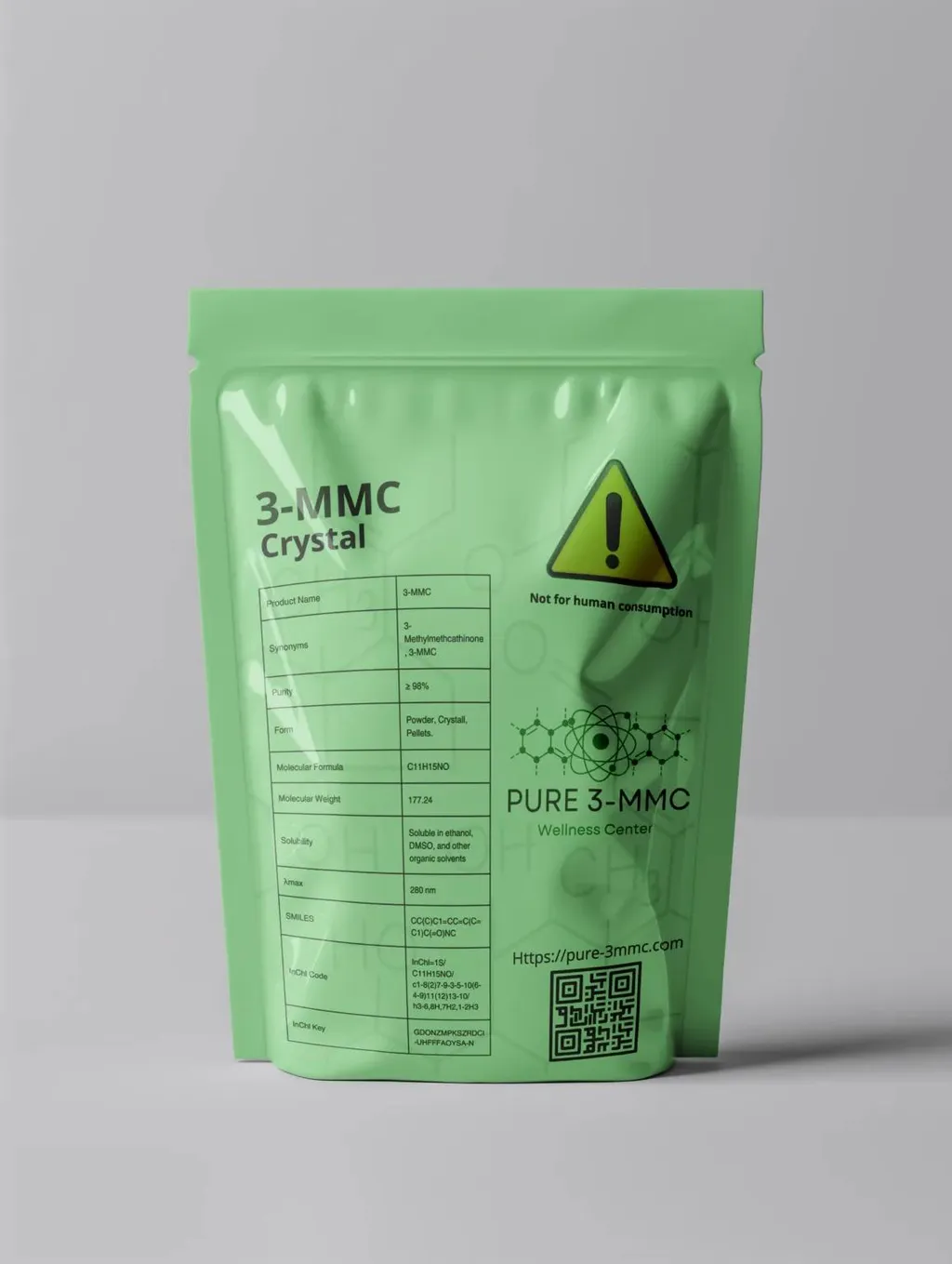
3-MMC is a synthetic cathinone that has received attention within discussions about novel psychoactive substances. It is generally associated with stimulant and mood-altering properties, but the available scientific evidence remains limited compared with established pharmaceutical substances.
Understanding 3-MMC requires more than knowing its commonly reported effects. It is also important to consider uncertainty about composition, possible interactions, acute toxicity, psychological consequences, dependence-related concerns and changing legal controls. Reliable information is especially important because online discussions can sometimes present psychoactive substances without adequately explaining their risks.
The following overview focuses on scientific and public-health considerations rather than encouraging consumption.
Understanding the Background of 3-MMC
3-MMC stands for 3-methylmethcathinone. It belongs to the synthetic cathinone family, a broad group of laboratory-produced compounds related structurally to naturally occurring cathinone.
Synthetic cathinones have appeared in different forms over the past several decades. Some were developed as research chemicals, while others became available through illicit or loosely regulated markets. Their chemical structures can vary considerably, producing different pharmacological profiles.
3-MMCbecame known in connection with recreational stimulant use because of reported effects involving energy, alertness, mood and sociability. However, reports of subjective effects should not be treated as clinical evidence of safety.
A major difficulty in studying these substances is that illicit or unregulated products may not consistently contain the compound claimed by their labels. This creates challenges for researchers, doctors and users alike.
For this reason, information about 3-mmc should always be considered within the wider context of novel psychoactive substances. A chemical name alone does not provide sufficient information about toxicity, purity, concentration or long-term health effects.
Effects on the Nervous System
The effects associated with 3-MMC are related to its influence on neurotransmitter systems within the brain. Synthetic cathinones can affect neurotransmitters involved in stimulation, reward, motivation and mood.
Dopamine and norepinephrine are important to stimulant effects, influencing alertness, arousal and cardiovascular activity. Serotonin also plays a role in mood and social behaviour. The interaction between these systems helps explain why synthetic cathinones can produce a combination of stimulation and emotional effects.
However, increasing neurotransmitter activity can also produce unwanted consequences. Excessive stimulation may contribute to anxiety, restlessness, rapid heartbeat, increased blood pressure and difficulty sleeping.
Psychological responses are particularly variable. One person may experience increased sociability while another may develop significant anxiety or agitation. Environmental circumstances, previous experience, sleep, stress and other substances can influence these responses.
Because individual reactions are unpredictable, subjective reports should not be used to establish a universal expectation of how 3-MMC affects everyone.
Physical Health Concerns
The physical risks associated with stimulant-type substances deserve careful consideration. Increased cardiovascular activity can produce a faster heartbeat and elevated blood pressure. In susceptible individuals, these effects may create serious complications.
Possible adverse reactions can involve palpitations, sweating, tremors, nausea, dizziness and overheating. More severe toxicity may involve abnormal heart rhythms, seizures, severe agitation, collapse or loss of consciousness.
Body temperature is another important concern. Stimulants can increase physiological activity, while prolonged physical activity and warm environments can make overheating more likely. Severe hyperthermia can become a medical emergency because very high body temperature can damage multiple organs.
Sleep disruption can further increase physical and psychological strain. Extended periods of wakefulness may impair concentration, decision-making and emotional stability even without considering the direct pharmacological effects of the substance.
For these reasons, the absence of immediate severe symptoms should not necessarily be interpreted as proof that exposure was harmless.
Psychological and Behavioural Risks
The psychological consequences of synthetic cathinones can be significant. Stimulant exposure may produce heightened alertness and energy, but excessive stimulation can also lead to anxiety, panic, irritability or paranoia.
Repeated exposure may be particularly problematic. Some individuals may experience a cycle in which stimulant effects are followed by fatigue, low mood or sleep difficulties. Continued use in an attempt to reproduce the initial effects can increase overall exposure and associated risks.
Sleep deprivation is an important contributing factor. Lack of sleep can independently affect mood, concentration and perception, and these effects may become more pronounced when combined with psychoactive substances.
Severe psychological symptoms can sometimes require professional medical attention. Confusion, extreme agitation, hallucinations, severe paranoia or unusual behaviour should not simply be dismissed as an expected part of stimulant use.
The relationship between synthetic cathinones and dependence is still an area requiring further study. Nevertheless, repeated use of psychoactive stimulants can become problematic, particularly when a person begins experiencing difficulty controlling their behaviour or continues despite negative consequences.
Interactions and Unpredictable Exposure
Another important safety issue is interaction with other substances. Combining psychoactive compounds can produce effects that are difficult to predict.
Different substances may place additional stress on the cardiovascular system or influence the same neurotransmitter pathways. Some combinations may increase the risk of excessive stimulation, dangerous changes in body temperature, altered consciousness or other toxic effects.
Prescription medicines can also interact with psychoactive substances. This is one reason people should not assume that information about one compound automatically applies to another.
Alcohol and other recreational substances can further complicate assessment because the resulting effects may differ from those associated with either substance individually.
From a medical perspective, healthcare professionals need accurate information about possible exposure when treating suspected poisoning or toxicity. Hiding information because of embarrassment or fear can make clinical assessment more difficult.
The Problem of Mislabelled or Unregulated Products
A major concern surrounding 3-MMC is the uncertainty associated with products obtained outside controlled pharmaceutical systems. Labels may not reliably indicate chemical identity or concentration.
The appearance of a product cannot establish its composition. Similarly, marketing language describing a substance as high quality, pure or laboratory tested does not automatically establish that it has been demonstrated to be safe for human consumption.
Laboratory analysis is important in forensic and toxicological research because unexpected compounds can sometimes be identified in products sold under particular names. This is one reason researchers distinguish between the intended substance and the substance actually detected in a sample.
Uncertainty about composition can make adverse reactions particularly difficult to interpret. A severe reaction may result from the expected compound, another substance, an interaction, contamination or a combination of factors.
Consequently, responsible health information should emphasize uncertainty rather than presenting an apparently precise risk profile when reliable evidence is unavailable.
Legal Status and Regulatory Developments
The legal position of 3-MMC depends on national legislation and can change as authorities respond to emerging evidence. Some jurisdictions have introduced specific controls on synthetic cathinones, while others regulate them through broader psychoactive-substance laws.
Legal frameworks can cover more than possession. Depending on the jurisdiction, legislation may address production, importation, distribution, supply and other activities.
It is therefore important to distinguish historical information from current law. Older articles may describe a substance as uncontrolled even though legislation has subsequently changed.
Anyone researching the legal position of 3-mmc should consult current government or official regulatory sources relevant to the country concerned. Commercial websites are not reliable authorities for determining legal status.
International travel creates additional complications because a substance's legal status can differ between countries. A person should never assume that rules in one jurisdiction apply automatically elsewhere.
Medical Response and Safety Awareness
Recognizing serious symptoms is an important part of responsible awareness. Severe chest pain, breathing difficulties, seizures, collapse, loss of consciousness, extreme overheating or severe confusion require urgent medical attention.
A person experiencing a serious reaction should not be left alone or expected to recover without assessment. Emergency medical services should be contacted when potentially life-threatening symptoms appear.
Healthcare professionals can make better-informed decisions when they know what substances may have been involved. If packaging or other relevant information is available, it can help clinicians understand the possible exposure, although the contents should not be assumed to be accurate simply because a label says so.
Medical treatment for poisoning is based on the person's symptoms and clinical condition. There is no simple universal treatment that applies to every synthetic cathinone exposure.
This reinforces an important principle: online descriptions of expected effects cannot replace professional medical evaluation when serious symptoms occur.
Why Evidence-Based Information Matters
The increasing availability of information about novel psychoactive substances makes critical evaluation essential. Search results can contain scientific research, personal experiences, marketing material, outdated legal information and unsupported claims side by side.
Reliable research should therefore be evaluated according to its source, methodology and publication date. Public-health authorities, toxicology organizations, peer-reviewed scientific literature and official government information generally provide stronger foundations for health and legal questions.
There are also significant gaps in knowledge about the long-term effects of many synthetic cathinones. Researchers continue to investigate their pharmacology, toxicology and patterns of use, but incomplete evidence means that some risks may remain uncertain.
3-MMC should consequently not be presented as a substance with an established safety profile. Its stimulant effects can involve cardiovascular and neurological stress, psychological complications and unpredictable outcomes, particularly when composition or interactions are uncertain.
A balanced understanding recognizes both the reported pharmacological effects and the limitations of current evidence. Rather than relying on promotional claims or anecdotal experiences, readers should focus on scientifically supported information, current legislation and appropriate medical guidance.
Ultimately, awareness of 3-MMC is most useful when it helps people understand why synthetic psychoactive substances can be unpredictable and why serious physical or psychological symptoms should receive professional attention. Responsible information should prioritize health, evidence and safety over claims that imply recreational use is risk-free.